Pest Inspection Report Brisbane: What Buyers Need to Check
A pest inspection report helps you understand visible pest activity, termite risk areas, moisture concerns, timber damage, inaccessible spaces, and recommended next…
Prompt, Affordable Same-Day Pre-Purchase Pest Inspection In Brisbane. Starting From $299


Home » Pest Inspection Brisbane
Get a Response in Minutes
We look forward to assisting with Same Day Pest Inspection
It checks the accessible areas of a property for termites, wood borers, wood decay and the conditions that attract them. The inspection is visual, follows Australian Standard AS 4349.3 and covers the interior, roof void, subfloor and exterior.
Pre-purchase pest inspections with Tom’s Pest Control Brisbane start from $299 for a standard single-level home. Size, levels, outbuildings and access change the price. We confirm it before you book.
You receive a written report with photos within 24 hours of the inspection. The inspector also calls you to explain the findings.
Yes. We provide pre-purchase building inspections to AS 4349.1, carried out by a QBCC licensed building inspector. Book both together and you receive the building and timber pest reports at the same time.
A standard house takes about two hours on site. You are welcome to attend and walk through the findings with the inspector at the end.
Book as soon as your contract is signed, so the report arrives before your building and pest inspection date. If the home is going to auction, inspect before you bid.
The inspection follows Australian Standard AS 4349.3 for timber pest inspections. It gives you evidence to proceed, negotiate or walk away while you still have time under your contract.
| Included | Not included |
|---|---|
| Interior rooms, skirting boards, door and window frames | Areas hidden by furniture, stored goods or fixed floor coverings the inspector cannot move |
| Roof void, where safe access exists | Roof voids with no access hatch or unsafe clearance |
| Subfloor, where safe access exists | Wall cavities, which need invasive testing |
| Exterior walls, slab edge, weep holes and eaves | Structural and building defects, which our separate building inspection covers |
| Decks, pergolas, fences, retaining walls and sheds on the property | A guarantee against future termite activity |
| Visible evidence of an existing termite management system | Pests other than timber pests, such as rodents or cockroaches |
Every area we cannot inspect is listed in your report with the reason, so you know exactly what was and was not checked.
Book both inspections together and you receive the building report and the timber pest report at the same time, so you can make one decision with the full picture. Combined pricing depends on the property. Contact us for a quote.
| Home type | Where the risk sits | What we check |
|---|---|---|
| Queenslanders and highset timber homes | Stumps, subfloor framing, stairs and verandahs | Ant caps, mud leads on stumps, bearers, joists and subfloor moisture |
| Post-war homes | Older timber frames and bathrooms or laundries added later | Wet areas, hidden leaks and patched or painted-over timber |
| Brick veneer homes | The timber frame behind the brick, weep holes and the slab edge | Weep holes, slab edge, and garden beds or paving against the wall |
| Slab-on-ground homes in newer estates | The slab edge and landscaping added after the build | Covered slab edges and the termite management notice |
| Renovated older homes | New linings and paint over original timber | Sounding, moisture readings and signs of past damage or treatment |
| Units and townhouses | Shared roof spaces and subfloors | The unit itself plus every common area we can access |
Risk also changes across the city. Older suburbs, established residential streets and newer developments each bring different moisture, landscaping and construction patterns, and the inspection follows what the property shows.
We check timber and concrete stumps, ant caps, bearers and joists. Termites often build mud leads up a stump and around a missing or damaged ant cap. We check subfloor ventilation and drainage as well, because a damp subfloor draws termites in.
On brick and slab homes the risk sits at the edge of the slab. Garden beds, paving or render built up over the slab edge hide the entry point. We note every section where the slab edge is covered, because termites can travel through it unseen.
Where access is safe, we move through the roof space and check framing, sarking and insulation for mud, damage and moisture from roof leaks.
Leaking showers, taps and pipes soften timber and attract termites. A moisture meter helps us find damp areas behind wall linings without cutting into them.
Air-conditioner drain lines, hot water system overflows, blocked gutters and downpipes that discharge against the wall all keep the soil damp beside the house. We record each one.
Timber in contact with soil is a direct food source. Landscaping sleepers, old fence posts, tree stumps and stored timber near the house all go in the report.
When a tool shows a possible problem that cannot be confirmed visually, the report says so and recommends further investigation. We never report suspected activity as confirmed activity.
| Finding | What it means | What to do next |
|---|---|---|
| Active termites | Live termites found at the time of inspection | Do not disturb them. Get treatment advice before settlement. |
| Termite damage or previous activity | Evidence of past activity, with or without live termites | Ask the seller for the treatment history and consider a further inspection of the affected timber. |
| Borers or wood decay | Damage from wood borers or fungal rot | Get repair advice where the timber is structural. |
| Conducive conditions | Conditions that raise the risk of termite attack | Fix them before or soon after you move in. |
| Areas not inspected | Areas with no safe or reasonable access | Ask the seller for access and a follow-up inspection. |
Each finding includes its location and a photo. When you book, we send you a sample report so you know exactly what you will receive. For a detailed walk-through, read our guide on what buyers need to check in a pest inspection report.
We confirm the price before you book, and the written report is included. For a combined building and pest inspection, contact us for a quote.
Queensland also gives buyers a cooling-off period of 5 business days for most residential contracts. It starts on the day you receive a copy of the contract signed by both parties. Ending the contract in that period costs up to 0.25 percent of the purchase price.
Auctions have no cooling-off period, and auction contracts are often sold without a building and pest condition. If the home is going to auction, arrange your inspections before you bid.
Since 1 August 2025, sellers must give buyers a disclosure statement before the contract is signed. That statement does not assess the physical condition of the home, so it does not replace a building and pest inspection. Your solicitor or conveyancer can confirm the dates in your contract.
If you go ahead with the purchase, our team can assess and treat the property. See our termite treatment options and termite treatment costs in Brisbane.
Read the full story: how John avoided $15,000 in structural liability with a termite report.
We cover Brisbane north, south, east and west, plus Logan, Ipswich and Moreton Bay. Buying on the Gold Coast? See our pre-purchase pest inspections on the Gold Coast.
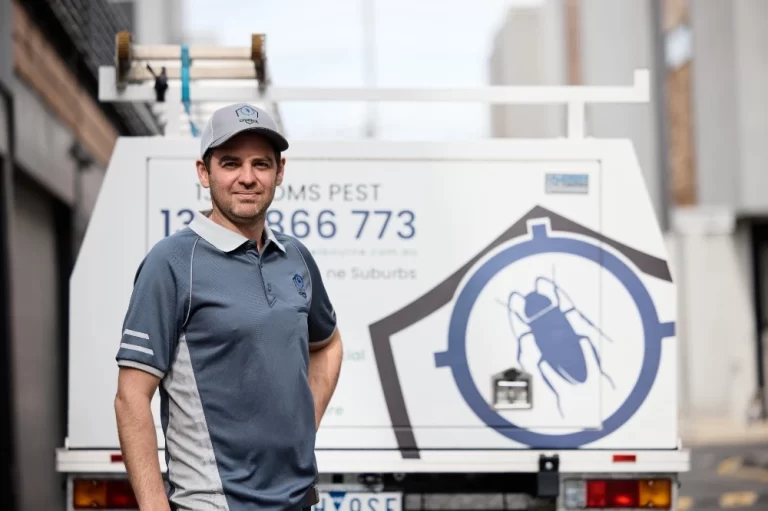
The buyer usually arranges and pays for the inspection, because the report supports the buyer’s decision. Sellers sometimes order their own report before listing.
Do not disturb them. Talk to your solicitor or conveyancer about your options under the contract. Buyers commonly negotiate the price, ask the seller to arrange treatment before settlement, book a further inspection of the affected areas or end the contract within the condition period.
Yes. A new home still sits on soil where termites live, and landscaping added after construction can cover the slab edge. In units, we inspect the unit and every common area the body corporate gives us access to.
No. The inspection is visual and covers reasonably accessible areas on the day. It records what the inspector can see and flags any area that needs further investigation. Regular termite inspections after you move in help catch new activity early.
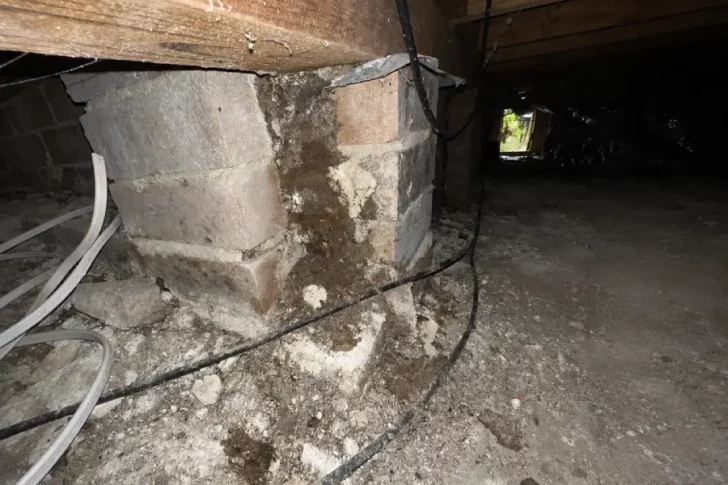
A pest inspection report helps you understand visible pest activity, termite risk areas, moisture concerns, timber damage, inaccessible spaces, and recommended next…
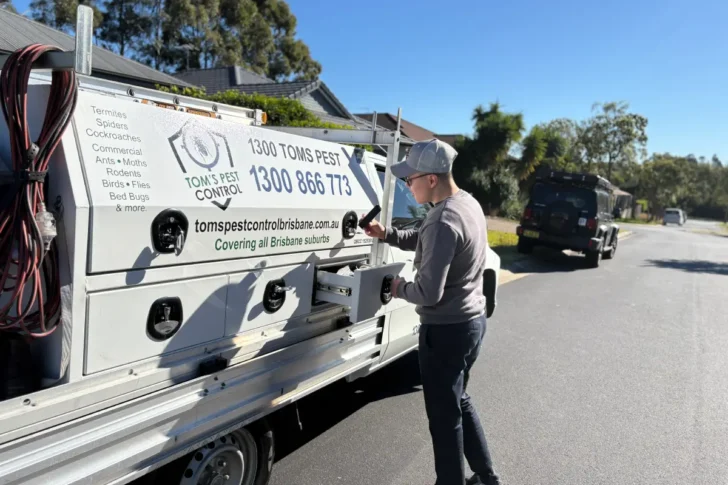
Buying a home in Brisbane feels exciting. You walk through the property, picture your furniture inside, and start planning the move. Many…
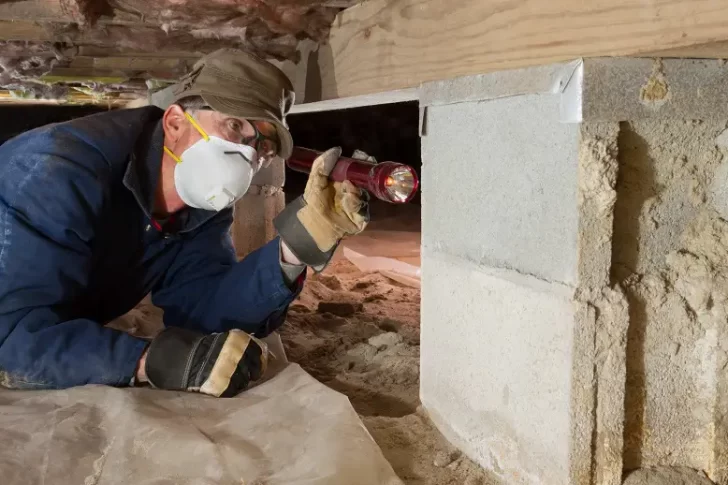
Understanding the Role of Building Pest Inspections Building pest inspections from Tom’s Pest Control in Brisbane, including Logan, Ipswich, and the Gold Coast, are vital…
Call (07) 3184 4223 or request a quote online. Send the property address, the agent’s contact details and your building and pest inspection date, and we will arrange access with the agent. Need a building inspection too? Ask for both when you book.